Please share Okavango Delta Accommodation







Okavango Delta Accommodation
Okavango Delta Accommodation: Your Sanctuary in Africa's Watery Wilderness
Imagine a place where the pulse of Africa beats in the gentle rhythm of flowing water. Where ancient rivers, instead of meeting the sea, spill their lifeblood onto the sands of a desert, transforming it into a shimmering tapestry of lagoons, channels, and islands. This is the Okavango Delta, a UNESCO World Heritage Site and one of the most breathtaking natural wonders on Earth.
To truly experience the magic of the Okavango, you must not just visit it; you must inhabit it. And the way you inhabit it is through its extraordinary accommodation. Here, your lodge or camp is not merely a place to sleep; it is your gateway to an unparalleled world, your window onto a living masterpiece, and your personal sanctuary within Africa's most pristine wilderness.
At Travel 2 Botswana, we believe that selecting your Okavango Delta accommodation is the most critical decision in planning your safari. It dictates not only your comfort but also your daily activities, your level of immersion, and the specific wildlife encounters you will experience. Our carefully curated portfolio showcases a diverse range of options, each handpicked for its commitment to conservation, its exceptional location, and its ability to deliver an unforgettable journey into the heart of this watery Eden.
The Okavango Ethos: High Value, Low Volume, Deep Immersion
Botswana's revered “high value, low volume” tourism policy finds its purest expression within the Okavango Delta. This isn't just a marketing slogan; it's a profound commitment to sustainable travel that safeguards the Delta's delicate ecosystem while offering an exclusive, intimate experience to visitors.
What this means for your accommodation experience:
- Exclusivity: Fewer camps, smaller guest capacities, and restricted vehicle movements ensure that encounters with wildlife (and other tourists) feel deeply personal. You're not just a number; you're a cherished guest in a pristine wilderness.
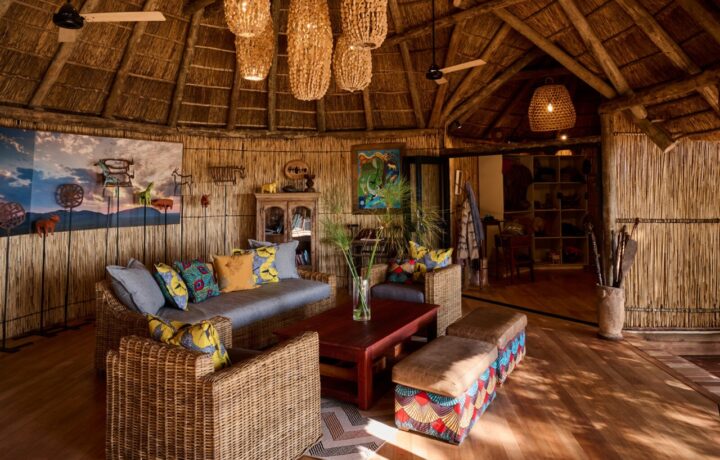
- Minimal Footprint: Camps are often built on raised wooden decks, using natural, locally sourced materials, and operate on solar power. They are designed to blend seamlessly into the environment and can be dismantled with minimal impact, reflecting a deep respect for the land.
- Authentic Encounters: By limiting human interference, animals often remain more relaxed and exhibit natural behaviors. Your accommodation choices directly support the conservation efforts that keep this ecosystem vibrant.
- Exceptional Guiding: The guides in the Delta are among the most highly trained and knowledgeable in Africa. Their deep understanding of the environment, passed down through generations, transforms every sighting into a learning experience.
Types of Accommodation: Finding Your Delta Niche
The Okavango Delta offers a spectrum of accommodation, each providing a unique perspective on this diverse landscape. Understanding these distinctions is crucial for tailoring your safari experience.
1. “Wet Camps” (Water-Based Focus)
- Location: Situated in areas of permanent deep water (often in the central and western Delta or the Panhandle), these camps are surrounded by year-round lagoons and channels.
- Activities: Primarily water-based: mokoro excursions, motorized boat cruises, and often fishing (catch & release). Walking safaris are typically done on accessible islands. Game drives are either minimal or not offered at all.
- Wildlife: Excellent for hippo, crocodile, semi-aquatic antelope (Red Lechwe, Sitatunga), and a phenomenal array of waterbirds. Large land mammals are generally viewed from the water as they come to drink or cross channels.
- Vibe: Tranquil, serene, bird-focused, and deeply immersive in the Delta's aquatic beauty.
- Ideal For: Birdwatchers, photographers (especially for water reflections), those seeking quiet solitude, honeymooners, and anyone who wants a pure Delta water experience.
2. “Dry Camps” (Land-Based Focus)
- Location: Found on larger islands or landmasses within the Delta (e.g., Chief's Island, areas of Moremi Game Reserve, or private concessions bordering the Delta), these camps are in regions less affected by deep floodwaters.
- Activities: Primarily land-based: game drives (day and often night in private concessions), and walking safaris. Mokoro and boat activities are usually minimal or offered as a supplementary experience in nearby seasonal channels.
- Wildlife: Excellent for big game and predators: lion, leopard, cheetah, wild dog, buffalo, elephant, giraffe, zebra, and various antelopes.
- Vibe: Classic safari adventure, focused on tracking large mammals and high-intensity game viewing.
- Ideal For: Predator enthusiasts, photographers of large mammals, first-time safari-goers who want Big Five sightings, and those who prefer the thrill of game drives.
3. “Mixed Camps” (Land & Water Activities)
- Location: Strategically positioned in areas where both permanent water channels and significant dry landmasses are accessible, often on the fringes of permanent water or in seasonal floodplains.
- Activities: Offer a balanced blend of mokoro, motorized boat cruises, game drives, and walking safaris. This type of camp provides the most comprehensive Delta experience.
- Wildlife: Maximizes opportunities to see both water-dependent and land-dependent species.
- Vibe: Comprehensive, diverse, offering the best of both worlds.
- Ideal For: Travelers who want a full Okavango experience and don't want to choose between land and water.
4. Style and Budget: From Rustic to Ultra-Luxury
Within these categories, camps vary widely in their level of luxury and price point:
- Authentic/Rustic Camps: Focus on simplicity, immersion, and value. Often without air-conditioning or extensive amenities, they prioritize the genuine bush experience. Examples: Oddballs' Camp, Delta Camp.
- Classic/Mid-Range Luxury Camps: Offer comfortable tented suites or chalets, en-suite bathrooms, swimming pools, and excellent guiding.
- Ultra-Luxury Camps: The pinnacle of safari indulgence, featuring opulent suites, private plunge pools, personal butlers, gourmet dining, and exclusive activities. Examples: Vumbura Plains, Mombo Camp.
The Fly-In Safari Experience: Part of the Adventure
Almost all Okavango Delta accommodation (except those accessible by self-drive to the fringes like Maun) involves a fly-in transfer. This is not merely a logistical necessity; it is an integral part of the Delta experience.
- Scenic Flights: The journey itself is breathtaking. Flying low over the Delta, you witness its intricate web of channels, islands, and wildlife from a bird's-eye perspective, providing a unique orientation to this vast wilderness.
- Light Aircraft: You will travel in small planes (typically Cessna Caravans). This enforces strict luggage limits (usually 20kg/44lbs in soft bags only), emphasizing Botswana's low-impact approach.
- Remote Airstrips: Each camp typically has its own dirt airstrip, bringing you directly to the heart of your safari adventure.
Key Experiences Offered by Okavango Delta Accommodation
No matter your chosen camp type, Delta accommodation facilitates an array of unforgettable activities designed to connect you intimately with this extraordinary ecosystem.
1. Mokoro Safaris: The Silence of the Delta
- The Icon: The mokoro, a traditional dugout canoe, is the symbol of the Okavango. Poled silently through the shallow, clear channels by an expert guide, it offers a tranquil and deeply immersive experience.
- Intimate Encounters: You'll glide past vibrant water lilies, spot tiny painted reed frogs, and observe exotic birdlife from an eye-level perspective. The silence means wildlife remains undisturbed, allowing for truly intimate moments.
2. Motorized Boat Cruises: Exploring the Waterways
- Access to Deep Channels: These cruises allow you to explore larger lagoons and deeper, permanent channels that mekoro cannot reach.
- Hippo and Crocodile Hotspots: Ideal for encountering large pods of hippos, which can be viewed safely from the boat, and spotting crocodiles basking on sunny banks.
- Waterbird Photography: Stable platforms for photographers, offering excellent opportunities to capture the Delta's diverse waterbird species.
3. Game Drives: The Thrill of the Chase
- Land-Based Exploration: Offered by “Dry” and “Mixed” camps, game drives in open 4×4 vehicles explore the dry landmasses and islands.
- Predator Tracking: Best for tracking big game, including lions, leopards, cheetahs, and the elusive African Wild Dog.
- Night Drives: Available in private concessions, offering the chance to spot nocturnal animals like civets, genets, porcupines, and hunting predators.
4. Walking Safaris: On Foot in the Wild
- Sensory Immersion: Accompanied by an armed, expert guide, walking safaris allow you to connect with the bush on a visceral level, focusing on tracks, flora, and the smaller details often missed from a vehicle.
- Adrenaline & Insight: Experiencing the size of an elephant or the agility of an antelope from your own two feet is a profoundly humbling and exhilarating experience. Your guide will share invaluable insights into the ecosystem.
5. Birdwatching: A Birder's Paradise
- Year-Round Spectacle: The Delta boasts over 550 bird species, from magnificent raptors to colorful waterbirds and elusive forest dwellers.
- Seasonal Migrants: The Green Season (November-April) sees an explosion of migratory species in their vibrant breeding plumage.
- Expert Guides: Delta guides are passionate ornithologists, with an encyclopedic knowledge of local birds, their calls, and their habits.
6. Fishing: Catch & Release
- Water-Based Adventure: Offered by many camps, especially in the Panhandle, fishing (strictly catch & release) provides a relaxing yet exciting way to engage with the Delta's aquatic life.
- Species: Target species often include Bream (Tilapia) and the powerful Tigerfish.
Seasonal Considerations: When to Visit the Okavango
The Delta is a year-round destination, but its character shifts dramatically with the seasons. Your choice of accommodation should align with your preferred seasonal experience.
1. Dry Season (May to October)
- Water Levels: This is when the floodwaters from Angola arrive, peaking around July-August. The Delta is at its most inundated, with channels at their fullest.
- Wildlife: Animals are pushed onto the remaining dry islands and landmasses, leading to exceptional game concentrations. Water-based activities are at their prime.
- Weather: Cool, dry, and clear skies. Cold nights and mornings, warm days.
- Vibe: Classic safari, high game viewing, excellent for water activities, peak season crowds (though still low volume by global standards).
- Best For: First-time safari-goers, photographers, those seeking comfortable weather, and prime game viewing.
2. Green Season (November to April)
- Water Levels: Water levels recede in many areas, but permanent Delta regions remain wet. Local rains contribute to lush vegetation.
- Wildlife: Animals disperse due to widespread water availability. This is the birthing season for many antelopes, attracting intense predator activity.
- Birdlife: Peak season for birdwatching, with migratory species in breeding plumage and abundant insects.
- Weather: Hot and humid. Dramatic afternoon thunderstorms are common, clearing the air and making for spectacular photographic opportunities.
- Vibe: Lush landscapes, vibrant birdlife, intense predator-prey dynamics, fewer tourists, and lower rates (excellent value).
- Best For: Birdwatchers, photographers (dramatic skies, green backdrops), budget-conscious travelers, and those seeking solitude.
Featured Okavango Delta Accommodation
At Travel 2 Botswana, we proudly present a selection of camps and lodges that epitomize the diversity and quality of the Okavango Delta experience. Each has been chosen for its unique charm, prime location, and commitment to delivering unforgettable moments.
Oddballs' Camp: The Authentic Delta Experience
- Type: Rustic “Wet Camp”
- Highlight: Iconic mokoro trails, private local guides, walking safaris on Chief's Island, and a truly authentic, no-frills immersion in the Delta. Perfect for the adventurous spirit seeking profound connection without luxury distractions.
Nxamaseri Island Lodge: Mystique of the Panhandle
- Type: Mid-range Luxury “Wet Camp”
- Highlight: Premier fly-fishing destination (especially for Tigerfish), ideal base for visiting the spiritual Tsodilo Hills, and exceptional birding (including Pel's Fishing Owl) in the deep permanent waters of the Panhandle.
Xugana Island Lodge: Permanent Oasis of Tranquility
- Type: Classic Luxury “Wet Camp”
- Highlight: One of the Delta's oldest and most revered lodges, situated in a permanent lagoon. Offers year-round water activities, an intimate island setting, and a profound sense of peace and seclusion.
Delta Camp: Traditional Community Immersion
- Type: Authentic “Wet/Mixed Camp”
- Highlight: Co-managed with the local community, offering personalized guiding, traditional reed-and-thatch chalets, and an emphasis on walking safaris on Chief's Island. A deep dive into local culture and environmental wisdom.
(More camps and lodges will be added here as their articles are created, showcasing your full portfolio.)
Planning Your Delta Escape: An Unforgettable Journey Awaits
The Okavango Delta is more than just a destination; it's a profound experience that stays with you long after you've left its emerald embrace. Whether you envision gliding silently in a mokoro, tracking a leopard on foot, or simply soaking in the vastness from your private deck, the perfect Delta accommodation awaits.
At Travel 2 Botswana, our expertise lies in understanding your dreams and matching them with the ideal camp. We'll guide you through the intricacies of fly-in logistics, seasonal considerations, and activity preferences, crafting a bespoke itinerary that unlocks the magic of the Okavango specifically for you.
Your journey into the heart of Africa begins here.
Browse our selection of Okavango Delta Accommodation below:
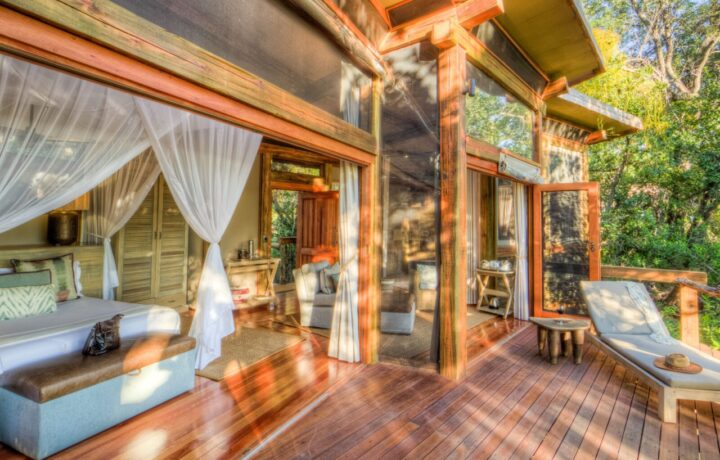
From: US$690
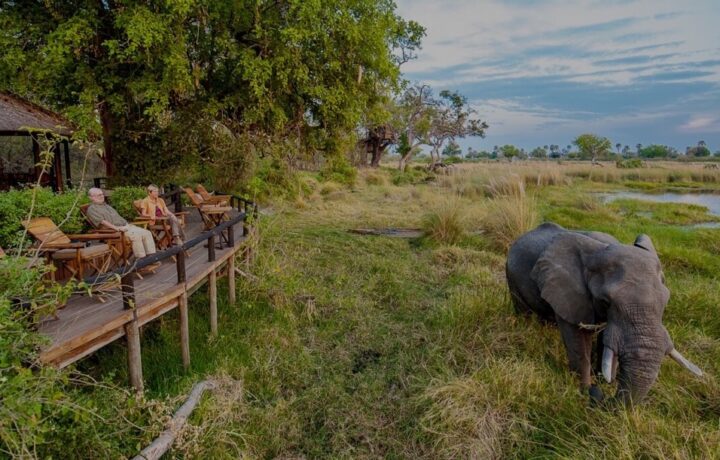
From: US$562
From: US$690

From: US$368

From: US$690
 ASK A QUESTION